
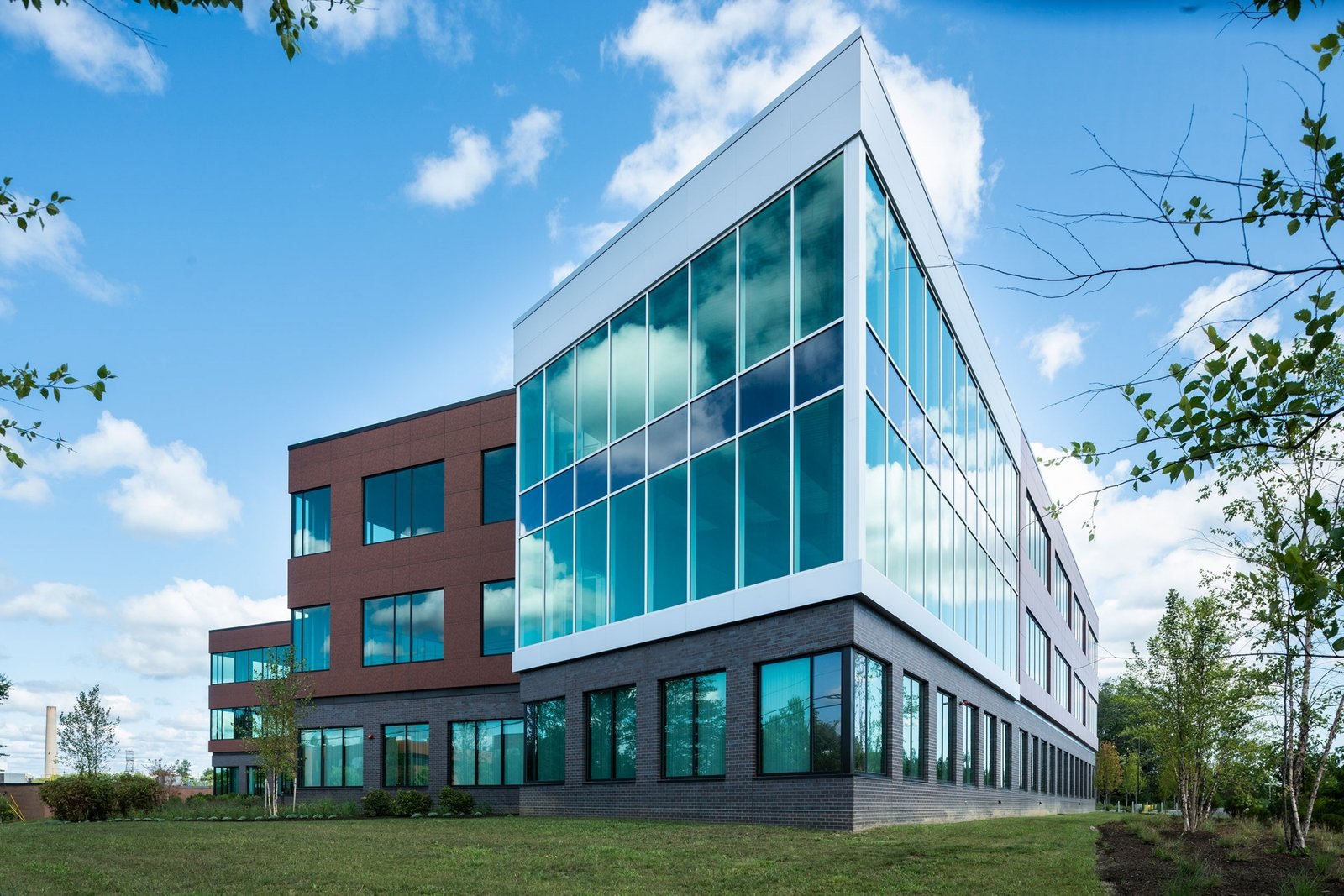
After the water went down in March 2025, a lot of Harlingen-area property managers learned how many of their buildings had a drainage problem nobody had written down. The National Weather Service reported more than 5,000 structures affected across the populated Valley, over 2,000 with major damage or destruction. Managers who keep the roofs, parking lots, units and common areas running for other people's money now ask a different question of a contractor: can you keep tenants in place, give a number the owner will sign, and leave a building that handles the next storm better?
We work for property management firms, family-run owners with a handful of buildings and the asset managers who sit above them. Our jobs are usually repairs, renovations, restoration after water and wind, and capital projects that fit inside a reserve schedule. We write scopes that an owner can read, price them in clear allowances and tell you early when a fix is bigger than it looks.
The calls we get most often are parking lot and drive-aisle rebuilds, roof and envelope repairs, storefront and entry replacement, interior refreshes between tenants and drainage corrections at the back of a lot where water has been standing. Larger jobs include converting a large vacant space into smaller suites, adding accessible routes, or reorganizing a site so a loading area no longer floods. The trade partners for tenant improvements handle suite turnovers, while our renovation and adaptive reuse work covers older buildings that need a new layout and new systems.
Because we keep trade partners lined up for flatwork, framing and much of the finish scope, we can respond to a rain-damaged concrete apron or a failed ramp without waiting on three subcontractors. Managers often tell us the first week matters most, so we send a person to walk the problem, photograph it for the owner and give a short-term plan before a long-term proposal is ready.
An occupied property changes every decision. Noise, dust, parking disruption and delivery routes all land on the manager's phone, so we plan work by suite and by time of day, post notices in advance and keep one point of contact. For reserve-funded projects we split work into bundles an owner can approve one at a time, with the most urgent life-safety and water-intrusion items first and cosmetic work later.
Insurance claims add paperwork. After a wind or water loss we document existing conditions, separate storm damage from deferred maintenance and prepare a repair scope that matches what the carrier agrees to cover. If a loss leaves a building open, we can stabilize and dry it while the adjuster works. Our phased construction on occupied sites approach describes how we keep a center or complex open while the work proceeds.
Harlingen enforces the 2024 International Existing Building Code and Fire Code alongside the 2024 International Building Code, effective October 1, 2025. When a manager reconfigures a suite or replaces a roof, the Existing Building Code governs what upgrades are triggered, such as egress, fire alarm or accessible parking, and we prepare that analysis before the owner commits to a number. State accessibility rules also apply, and projects at or above $50,000 must be registered with the state for review.
Wind matters too. Rio Hondo falls in the Inland I windstorm zone at 120 mph, while Harlingen, San Benito, Combes and La Feria are Inland II at 110 mph. That affects roof attachment and storefront glazing, and it affects what an insurer expects after a loss. We confirm the zone and the product approvals on every replacement so the warranty and the claim both hold up.
We start with a walk-through, a photo log and a one-page scope, then price alternatives where a manager has a real choice: a patch versus a full replacement, a standard finish versus a longer-lasting one. We explain what each step is for so a non-technical owner can decide with confidence.
During construction we send weekly summaries that a manager can forward to ownership without rewriting, and we close each job with warranty documents, product lists and as-built notes in a single folder. That history is what the next manager of the building will want in five years. A manager who runs several centers can also bring us a programmatic multi-site rollout, such as a repeated lot restriping or storefront refresh across a portfolio.
Small strip centers, medical and professional office buildings, garden apartments and mixed-use parcels make up most of the portfolios we serve. Rio Hondo's city revenue grew nine percent in a year according to Texas Comptroller data, with retail and food service leading, a sign that small commercial centers are active even in smaller Cameron County towns. Our retail shopping center and office building experience applies directly.
Owners with apartment holdings should also read about our work with multifamily developers, because turnover and capital repair on an older complex draws on the same crews and the same drainage thinking. And retailers occupying your space often come with their own contractor requirements, which our retail chain page describes.
Send photos, a rent roll of the suites in question or just a description of the problem. We will walk the property, give you a plain scope and a number, and tell you what can wait.
Yes, in most cases. We phase work by suite or by lot section, schedule noisy tasks away from peak hours and keep walkways and accessible routes open. We post notices ahead of time and give the manager one contact. For a full roof or lot replacement we plan temporary parking and delivery routes before the first day.
We document the existing condition with photos and measurements, separate new storm damage from older wear and prepare a repair scope in language the carrier can compare to its own estimate. We do not argue coverage, but we help the owner and manager understand what the repair really requires. Emergency drying and temporary protection can start while the claim is open.
It decides which upgrades are triggered when you alter or change use of a space. Depending on the scope, that may include egress, fire detection, accessible routes or energy items. We run that review during pricing so the owner sees the trigger items in the first number, not as a change order later.
Yes. We sort items into urgent water and safety work, near-term repairs and cosmetic updates, price each group separately and let the owner approve them in stages. Some managers keep us on a standing list of small tasks as well, so repairs are completed as budget is released.
Then we look at grading, inlets, piping and where the water leaves the property. After the March 2025 rains many owners found that a lot never drained well. We can regrade, add inlets or connect to a better outlet where the local drainage district allows, and we tell you when the fix depends on a public ditch.