
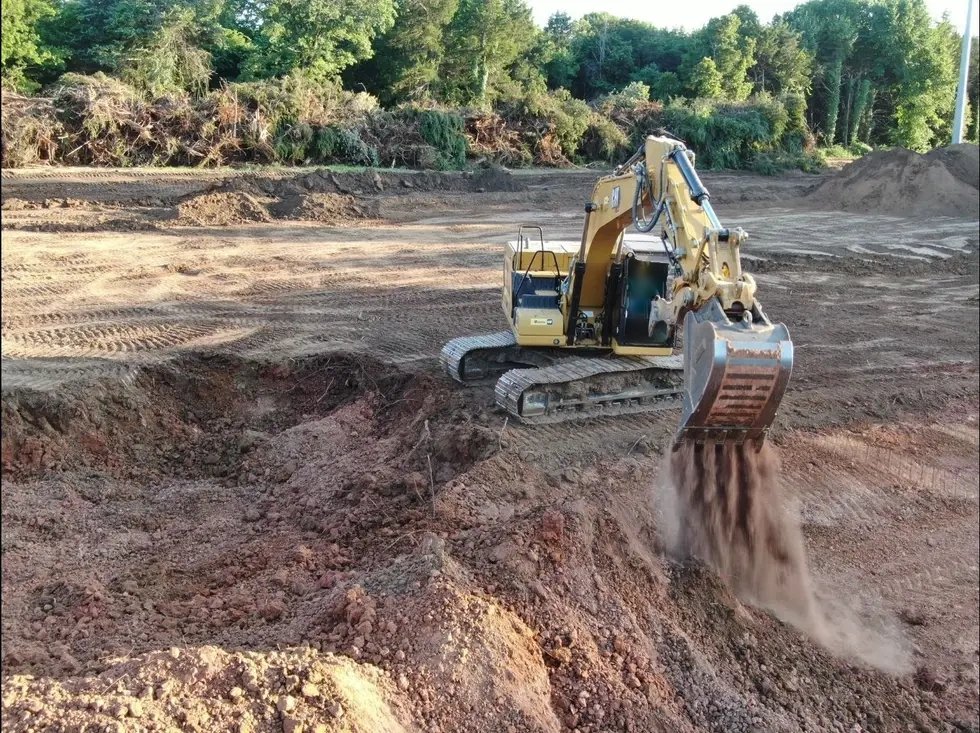
The cheapest time to find out your Harlingen lot floods is before you sign the contract on it. In March 2025 the National Weather Service reported that the highest rain totals of a three-day storm fell across Harlingen, with the Harlingen Valley station recording 13.98 inches, and that more than 5,000 structures were affected across the populated Valley. Elevation, drainage and insurance are all things an owner can check before buying, and that is the idea behind preconstruction.
Preconstruction is the work we do before the shovel: a site review, a budget, a schedule, a list of risks and a comparison of options. It costs a small fraction of the project and can save a large one. Our estimates are built from the real conditions of your lot and your program, not from a national average per square foot, and we explain each assumption in plain words.
If you already have drawings, we price them and mark up the places where a change would save money. If you only have a lot and an idea, we help you shape the program. Often the next step is design-build delivery or construction management at risk, depending on how you like to buy.
We start with a site visit and a conversation about how you will use the building. Then we gather what is known: the survey, the zoning, the flood map, any soil report, utility locations and the history of the lot. We call the city, the county or the drainage district about anything that could stop the project, such as a drainage easement, a required detention pond or a utility extension.
From there we build a budget in layers: site, building, interior, fees and contingency. We show which items are firm and which are allowances. As the design develops, we update the numbers at each stage, so the budget never drifts away from the drawings. If a figure goes up, you hear about it right away and we suggest ways to bring it back down.
On local projects the same few items cause most of the surprises. Soil work tops the list. The USDA describes the Harlingen soil series as 60 to 75 percent clay, cracking for much of the year, with slickensides beginning 20 to 30 inches down, so many buildings need subgrade treatment, deeper footings or both. We ask for a geotechnical report early and set up the budget around its recommendations.
Drainage and utilities are next. A lot with no storm sewer nearby may need a detention pond, and a lot with no sewer service may need a lift station or a long extension. Then comes electrical service, which can have long lead times. Finally, the choice of structural system and the interior finish decide the rest. Our guides to metal shell buildings and pre-engineered metal buildings and tilt-wall construction explain how the two main systems compare in cost.
Flood risk is the first thing we check. Inside Harlingen the city handles floodplain rules, and in unincorporated areas Cameron County's order requires the lowest finished floor in a flood-prone area to be 12 inches above Base Flood Elevation or 24 inches above the highest adjacent natural grade, whichever is higher. In the county's unincorporated land, the County Engineer serves as the Floodplain Administrator. A foot or two of required fill can change the cost of a pad dramatically.
We also look at access, setbacks, parking requirements, overhead utilities, easements and the neighbors. Nearby drainage work matters too: Harlingen has been building larger storm pipes in several neighborhoods, and the state and county are funding other drainage projects, which can change how water reaches your lot. If your lot is in one of the tax increment zones, new roads and utilities may be coming. We look at the site development and utilities side of the budget carefully for this reason.
A schedule for a small commercial project in Harlingen has to include permit review, utility coordination, procurement of long-lead items and weather. We list each of these as a separate activity with a duration and a person responsible. We show the critical path and where there is float, and we hold the schedule up against the owner's key dates such as lease commencement, equipment delivery or an opening.
When the design is still open, we create a procurement plan that releases long-lead items such as steel, switchgear and doors early. That can save weeks. Our long-lead procurement service follows each order through delivery. We also show a conservative date and an optimistic date, so you can plan around the range and not a single hopeful number.
Texas law makes the 2012 International Building Code the floor for municipal commercial construction, but cities can adopt later editions, so the rules differ from town to town. Harlingen reports that as of October 1, 2025 it enforces the 2024 International Building, Fire, Energy Conservation, Mechanical, Plumbing and other codes, with the 2023 National Electrical Code. Outside city limits, the county rules apply, and the Texas Department of Insurance sets windstorm certification, requiring the 2024 International Building Code or Residential Code for applications starting April 1, 2026.
We confirm the code in force for your address at the start of the study, and we price the building to that code. We also flag accessibility registration for projects of $50,000 or more, plan review time at the city and any extra approvals such as fire marshal review. Few things hurt a project more than finding out late that a lot needs a variance.
Send us the address, the use and the size you have in mind. We will tell you what to look at first and give you a budget range you can take to your lender.
It depends on the scope. A simple budget check on a standard building may be quick and low cost, while a full study with test fits, soil coordination and a schedule takes more time. We tell you the fee before we start, and we explain what you receive.
Early numbers are ranges, and we label them that way. As the design firms up and bids come in, the range narrows. We keep contingency in the budget in proportion to how much is still unknown.
Yes. We review the drawings, identify missing information and price them as written, then suggest changes that would save money without hurting performance.
Yes, we get multiple local bids on the major trades and manage each package closely. We share the bid results with you so you can see where the numbers come from.
Then we say so, and you save the cost of the purchase. We would rather tell you that on a lot visit than after construction starts. Public owners can also see how we work on the government and public sector page.