
A slab poured in Harlingen has to be designed for clay that moves, and that is the first thing we price whenever a buyer calls about a site in the city. The USDA description of the Harlingen soil series reads like a warning label: 60 to 75 percent clay, cracks that stay open 150 to 210 days in most years, slickensides starting 20 to 30 inches deep and very slow permeability. For an owner, that means foundations, floors and paving are engineering decisions here, not afterthoughts.
We are General Contractors of Harlingen, and we build commercial, institutional, light industrial and multifamily work for developers, owners, facility managers and public agencies. Hospitals, an airport, farm-related businesses and small manufacturers all compete for good lots, so no two scopes look alike.
Our approach is simple and a little old-fashioned. We give straight numbers, we explain what each step is for, and we keep the owner's budget in phases that match how the money actually arrives. If you are starting with a parcel and a rough idea, we can help with preconstruction estimating before you spend on full drawings.
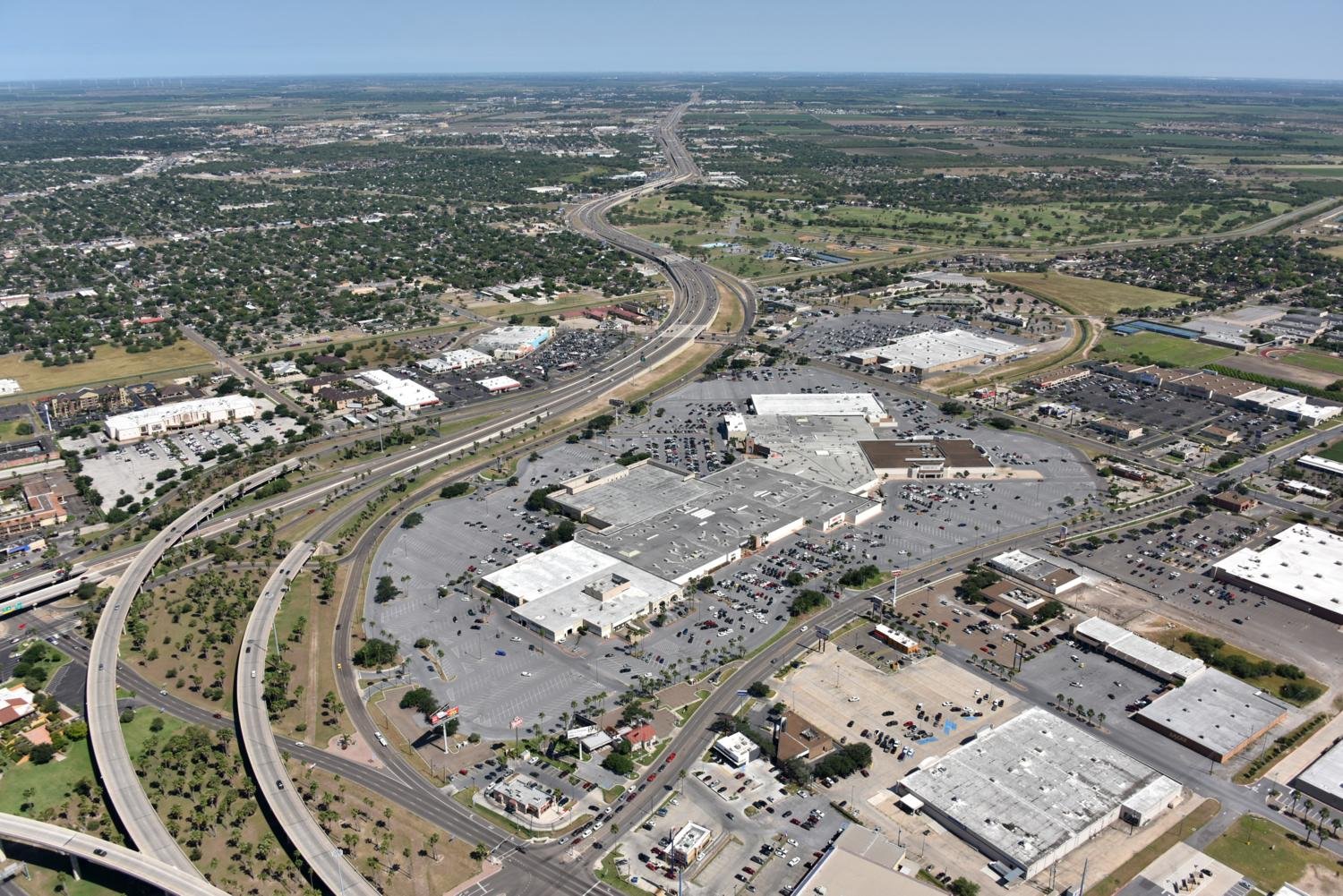
The city sits where U.S. 77 and U.S. 83 meet, signed as Interstate 69E and Interstate 2, and Harlingen is the eastern end of I-2. Union Pacific also keeps a local terminal and switching yard in town. For a developer, that means a warehouse or a service building here is close to a freeway, a railroad and an airport, and we site truck courts and receiving doors with all three in mind.
Cameron County has also set up three tax increment reinvestment zones in the city, each running through the end of 2027, with project lists that include Washington Avenue, Montezuma Road, 7th Street, Rio Hondo Road, plus sewer and drainage. Public money going into streets and pipes changes what a nearby lot is worth, and we read those project lists before we advise a buyer on timing.
The city reports that as of October 1, 2025 it enforces the 2024 International Building Code together with the 2024 residential, fire, energy, mechanical, plumbing, fuel gas and existing building codes and the 2023 National Electrical Code, administered by its Building Inspections Department. Inside the city limits, that 2024 set is what your drawings will be reviewed against, and land outside the limits answers to the county instead.
Wind is the other number on the cover sheet. Texas Department of Insurance maps put Harlingen in the Inland II zone at a 110 mph three-second gust. We ask the design team to confirm the wind and code basis in writing before pricing, so envelope, roof deck and opening protection are not repriced halfway through review. Our permitting and entitlements work covers that early conversation.
The soil series that carries the city's name is clayey throughout, with cracks that stay open for most of the year and very slow permeability. We design the earthwork plan around that: moisture conditioning, controlled fill, and sometimes a lime or cement treatment where the geotechnical report calls for it. Floors, aprons and sidewalks are placed with joints and reinforcing that respect the movement, not against it.
That is why we keep concrete foundations and flatwork under close management. When the same superintendent watches the slab placement and sees the weather turn, the crew knows how to protect it. For taller or heavier loads we bring in the geotechnical engineer early and talk through deep drilled pier foundations if the clay will not carry a shallow footing.
Hurricane Hanna in July 2020 dropped 9.7 to 12.4 inches at Harlingen-area gauges between July 24 and July 29, and in the March 2025 storm the highest rain totals fell across Harlingen, with an estimated four-hour burst of at least 12 inches on the evening of March 27. More than 5,000 structures across the populated Valley were affected. Owners remember that, and lenders and insurers ask about it.
We plan every site with the water leaving first. That means grading to a legal outfall, sizing detention honestly, and raising floor elevations where the floodplain administrator requires it. The city started $700,000 of American Rescue Plan drainage work with larger storm pipes capturing runoff from 105 acres, a sign of how seriously Harlingen treats it. The trade partners for stormwater drainage build the pipes, inlets and ponds that make a site dry enough to open.
Medical office and clinic space near the hospitals, retail and restaurant pads along the freeway frontage, and metal-shell warehouses on the edge of town make up most of our inquiries. A new 12,000 square foot warehouse listed in state project records at an estimated $400,000 is a good picture of the typical small industrial job: a modest shell, a clean slab and an owner who wants the schedule kept honest.
For bigger programs we steer buyers toward the Harlingen Industrial Air Park and the Harlingen Medical District, where utilities and neighbors are better suited to the use. If you are comparing a speculative building with a build-to-suit, our warehouse buildings page walks through what each costs to carry.
Concrete and paving go in during the drier weeks when we can, and we keep roof and wall work moving ahead of the wet months. We tell owners up front when a pour or a utility tie-in is weather-sensitive, because a straight answer now saves an argument later. Long-lead items such as switchgear, rooftop units and overhead doors get ordered as soon as the scope is firm.
Before you commit, we like to walk the site with you, read the survey and flood map together and put a phased budget on the table. Developers weighing several parcels can read our notes for commercial real estate developers, then call us with the lot numbers. We will tell you what each costs to make buildable, not just which one is cheapest to buy.
Send us the address, the use and the budget range and we will walk the site, read the flood map and give you a straight first number.
No contractor can promise a slab that never cracks, but we can control where and how it moves. We follow the geotechnical engineer's subgrade preparation, place joints at the right spacing, cure the concrete properly and keep water away from the slab edge. We will explain which cracks are cosmetic and which are a warning.
The city reports the 2024 International Building Code and related codes, plus the 2023 National Electrical Code, as of October 1, 2025. Land outside the city limits is handled by Cameron County under its own flood and building regulations. We confirm the governing office during preconstruction and keep the permit set on that basis.
It can change a lot or a little depending on the lot. The cost drivers are fill and grading to reach the required finished floor, detention volume, storm pipe size and the outfall. We give you a range after the survey and a drainage review, and we separate it from the building cost so you can compare sites fairly.
Yes. Many owners here build a shell and finish tenant space as leases arrive. We price the shell, utilities and paving as phase one, then give a unit-cost allowance for the interior so you can see what each later phase will take.